A useful client gift can acknowledge a working relationship without feeling overly personal. These eight ideas focus on everyday office routines, from planning and writing to organizing documents and workspace essentials.
Consider the recipient’s role and setup before choosing: a compact desk accessory suits a different workday than a large office chair or printer stand.
8 Thoughtful Gift Ideas for Clients
Cross Classic Century 23KT Gold Plated Ballpoint Pen

- A slim metal body and sleek flush details give it a distinctive look.
- The swivel-action mechanism supports a smooth writing experience.
- It arrives in a gift box for corporate gifts, birthdays, or graduations, and is refillable for continued use.
Best Gift For: A client who appreciates a presentation-ready writing tool for notes and everyday use.

Clever Fox Planner PRO Light, Undated Weekly Planner

- Its layouts connect goals with monthly, weekly, and daily planning.
- The undated format lets the recipient choose when to begin.
- A detailed illustrated user guide and colorful planning stickers are included.
Best Gift For: A client who likes to map goals and plan their work across months and weeks.
SKYDUE 360 Degree Rotating Desk Organizer
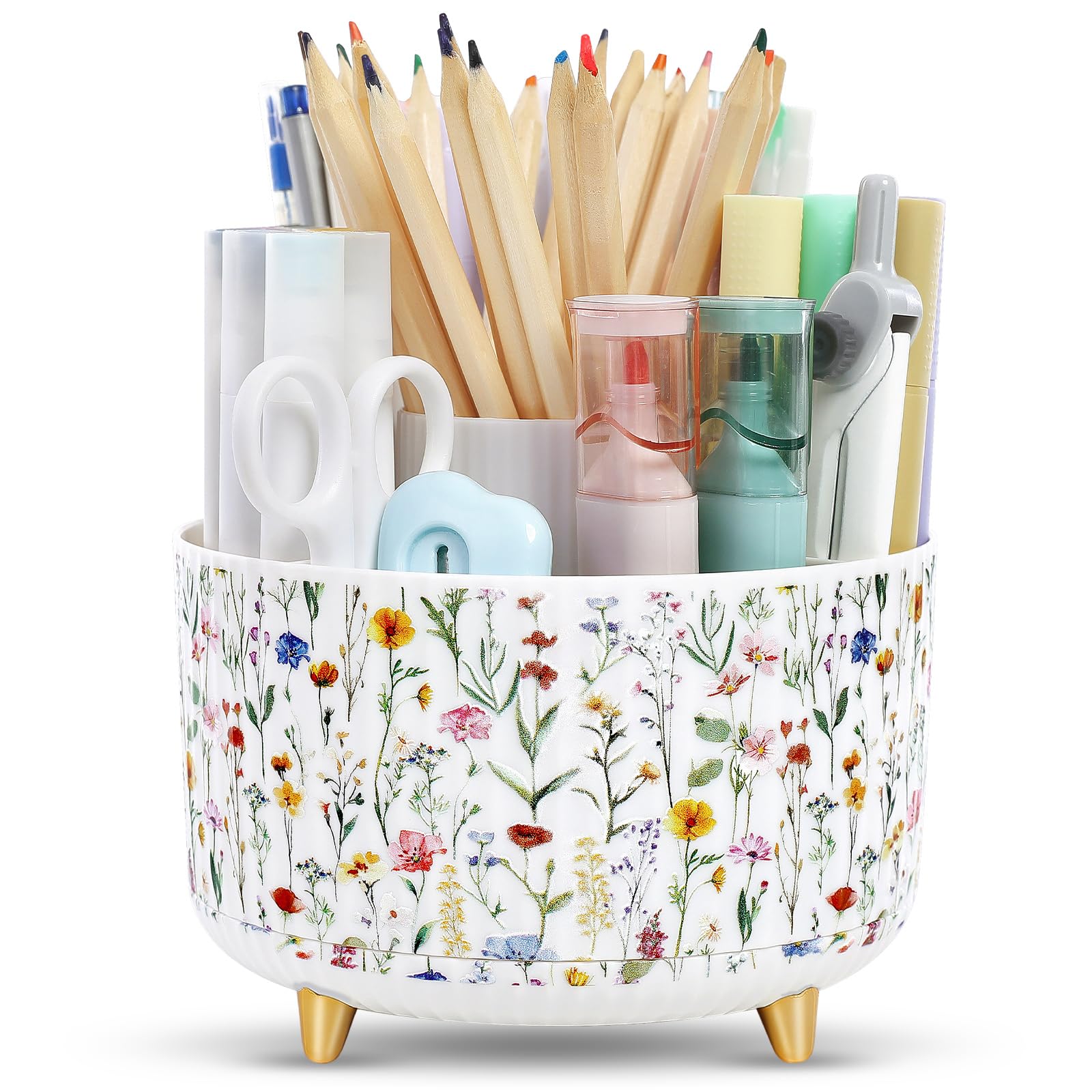
- Five compartments provide storage without taking up much desktop space.
- The holder rotates 360 degrees for easier access to writing tools.
- Its design combines storage with a decorative touch.
Best Gift For: A client who wants pens and small office supplies easy to reach on a desk.
Nulaxy Pull-Out Height Adjustable Laptop Stand
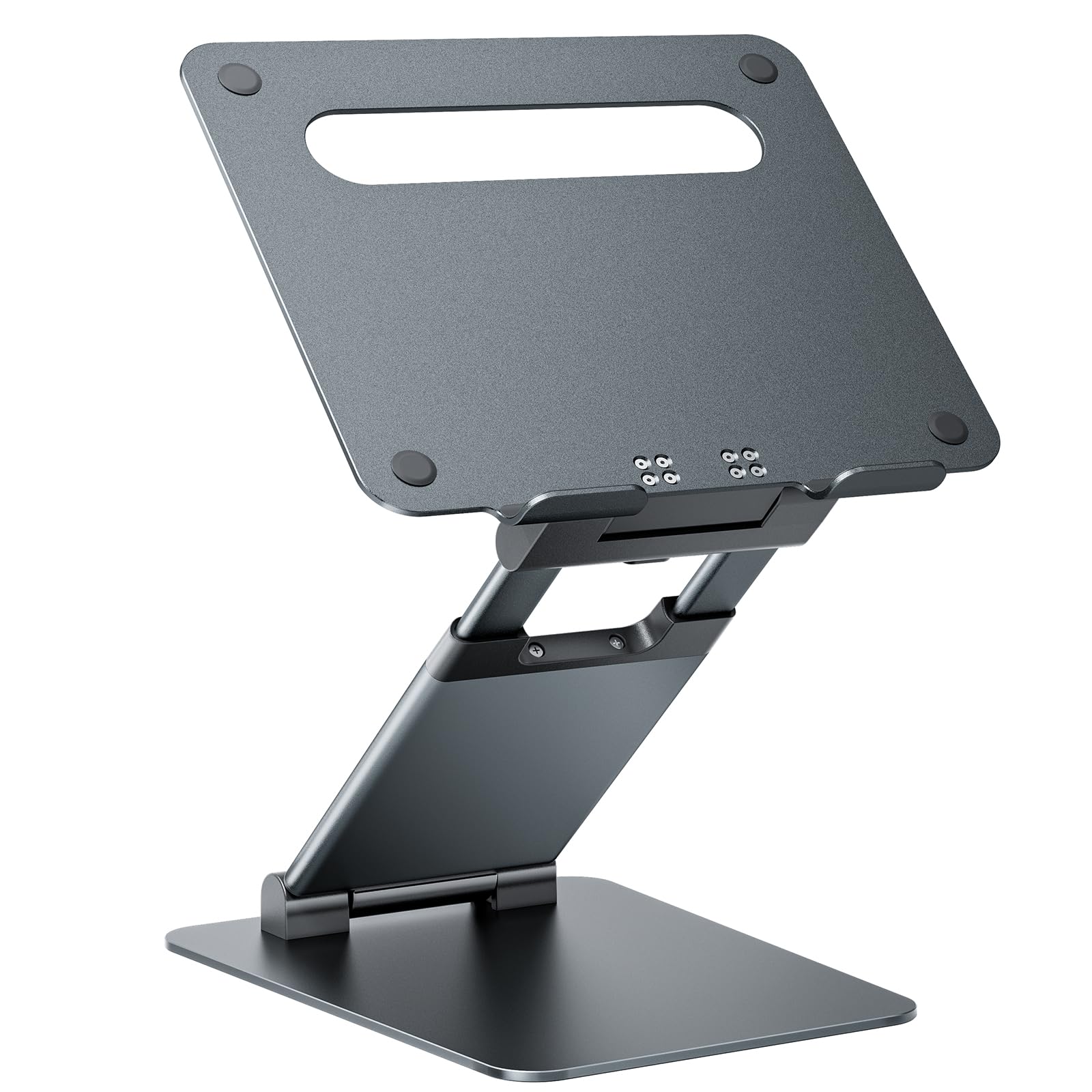
- The height adjusts to support sitting or standing positions.
- It fits laptops from 10 to 17 inches.
- The stand folds for storage or transport.
Best Gift For: A client who shifts between sitting and standing while working at a laptop.
GABRYLLY Ergonomic Office Chair with Headrest
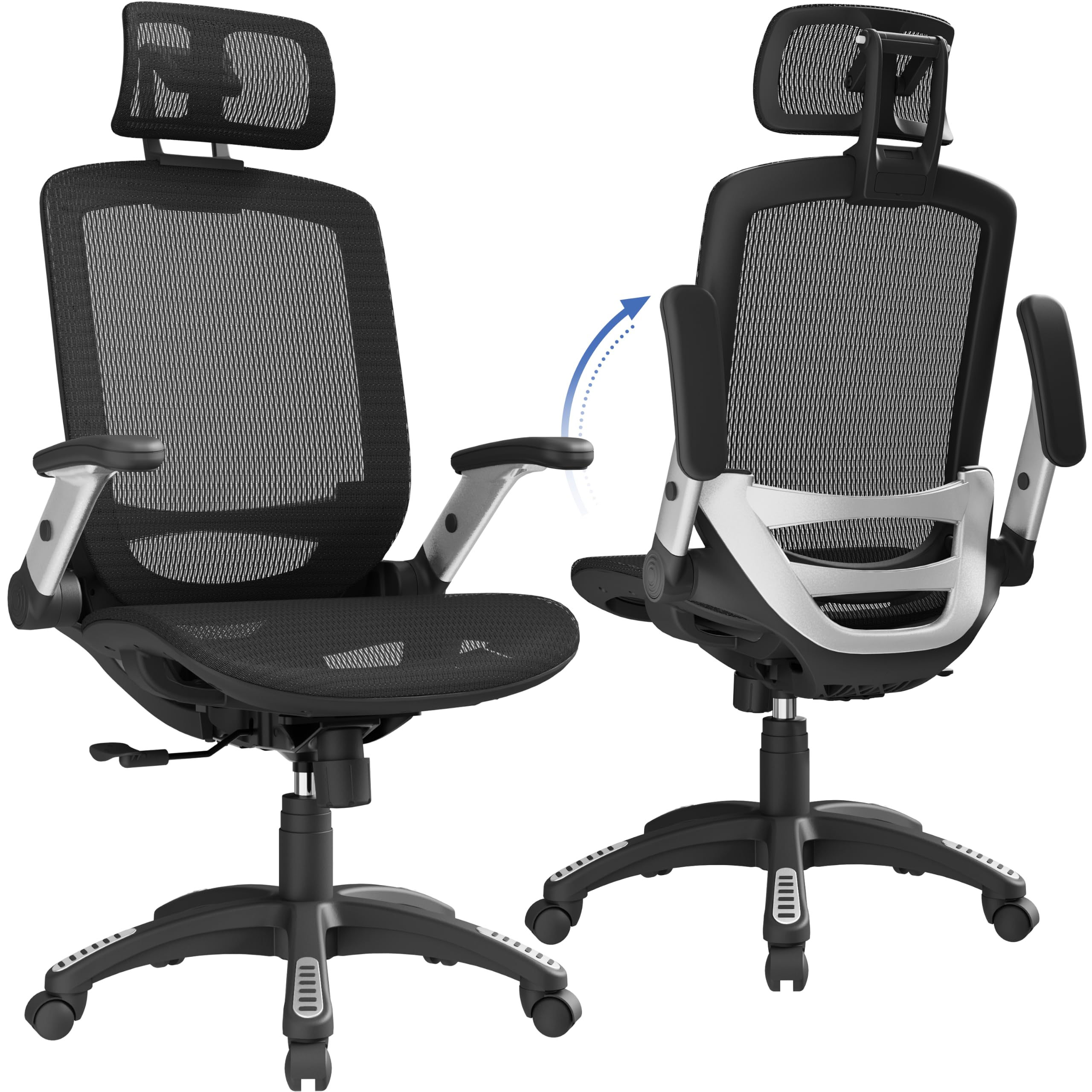
- The chair provides support points for the head, back, hips, and hands, plus lumbar support.
- The seat height, headrest, backrest, and arms can be adjusted.
- The mesh back and seat keep air circulating for comfort.
Best Gift For: A client setting up a home office who can confirm the chair’s fit and dimensions.
Phomemo D30 Bluetooth Mini Label Maker with 3 Tapes
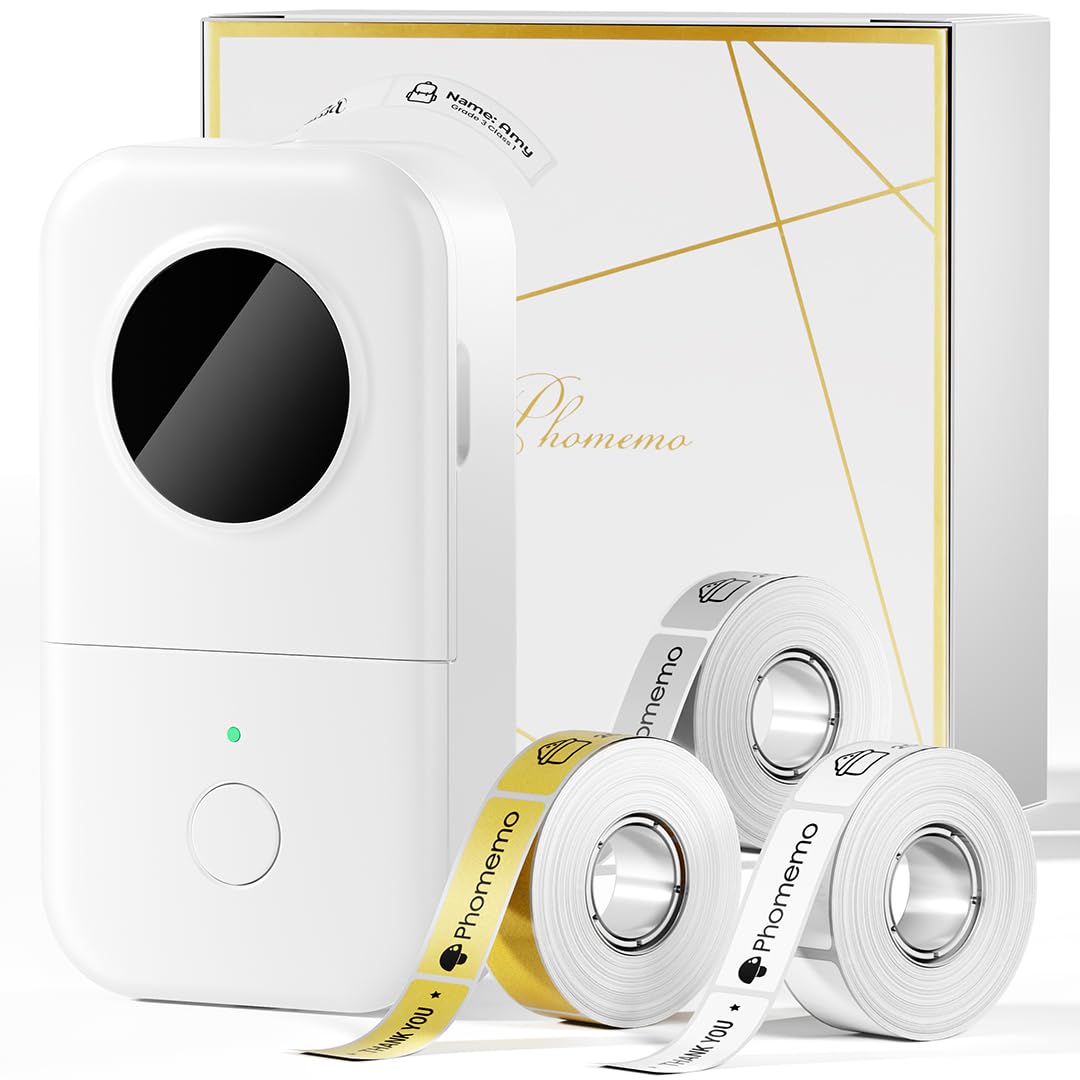
- The package includes one white tape, one gold tape, and one clear tape.
- Direct thermal printing does not require ink, toner, or ribbons.
- Labels can be created from a mobile device over Bluetooth.
Best Gift For: A client who likes labeling files, cables, or supplies in a small business or office.
SKYDUE Expanding File Folders with Labels, 4-Pack
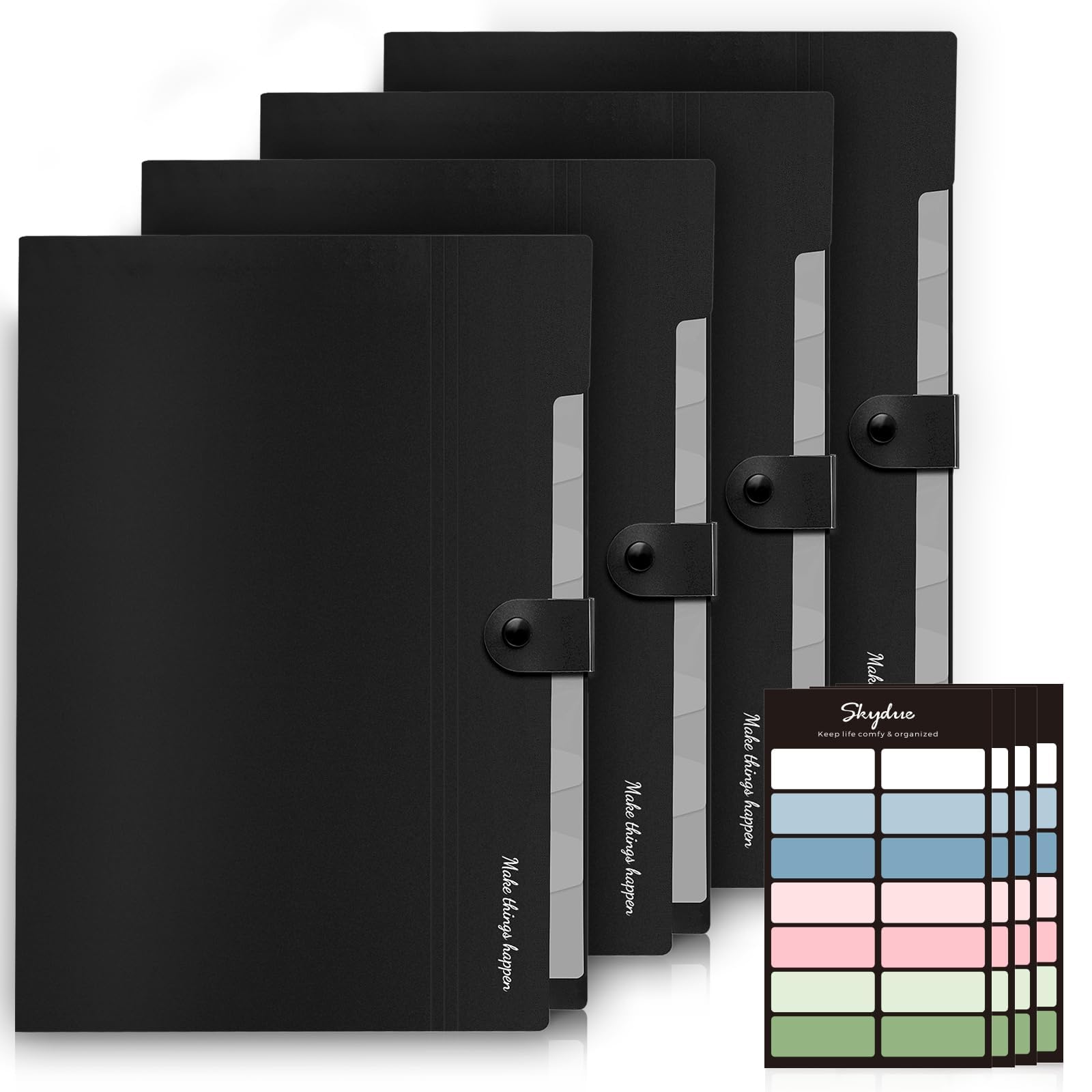
- The folders have eight pockets and include sticker labels.
- They fit A4 and letter-size paper.
- A snap closure helps keep papers securely in place.
Best Gift For: A client who sorts office paperwork into categories and carries documents between locations.
VASAGLE 2-Tier Mobile Printer Stand with Locking Wheels
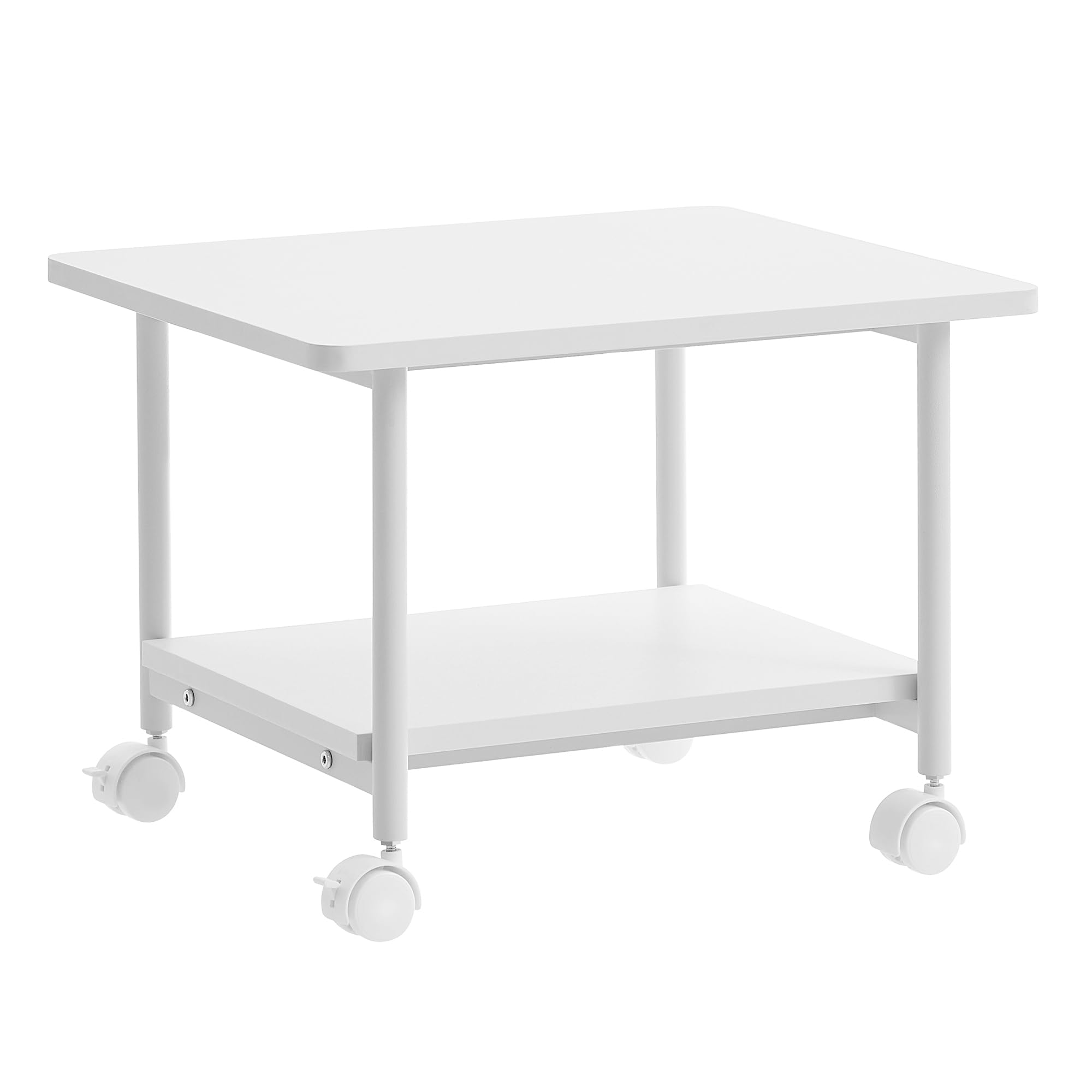
- The two-tier cart has a tabletop and a lower storage shelf.
- The lower shelf can hold paper reams, ink cartridges, and folders.
- Two of its four wheels lock to keep the cart in position.
Best Gift For: A client with a home office who could use a mobile printer and paper storage surface.
1. Choose gifts for clients around their workday
When choosing gifts for clients, start with what you know about the person’s routine. A client who keeps handwritten notes may value a quality pen, while someone who regularly plans projects could make use of an undated planner.
A small, relevant gesture can feel more considered than a generic desk object.
Think about where the recipient works and what their workspace can accommodate. A compact organizer or document folder is easier to place in a shared or small office than a large piece of furniture.
For anything that needs to fit a device or desk, check compatibility and dimensions before buying.
Professional relationships vary, so keep the gesture appropriate to the level of familiarity and the occasion. A practical item can express appreciation without requiring intimate knowledge of someone’s tastes.
If you are unsure, choose something useful across common work routines and keep the note warm but brief.
2. Balance usefulness with the budget
Set a comfortable budget before choosing, then compare gifts by how readily the recipient could use them. Small office accessories and paper goods can be useful without turning the gesture into a major purchase.
A higher-cost item may make sense for a significant milestone or a close business relationship, but only if it fits the recipient’s needs.
Consider the full setup cost for anything that depends on other equipment or space. A laptop stand needs to suit the recipient’s device, while a printer cart is only useful if there is a printer and room for it.
Check actual prices and current product details before deciding; catalog prices can change.
For team gifting, consistency may matter more than choosing a different item for every person. You might select a simple shared gift and personalize the accompanying message, or choose among a few options based on known roles.
Keep the spending level aligned with your organization’s norms and the relationship.
3. Personalize gifts for clients with a thoughtful note
Personalization does not have to mean engraving or adding a logo. A short note that names a specific collaboration, milestone, or contribution can make gifts for clients feel intentional while keeping the object itself broadly useful.
Be specific enough to sound sincere, but avoid including confidential business details.
Presentation also shapes the gesture. A clean card, tidy wrapping, and a clear sender name help the recipient understand who the gift is from and why you are sending it.
For a practical office item, choose understated wrapping that keeps the focus on appreciation rather than making the exchange feel overly elaborate.
If the gift is being sent on behalf of a team, agree on a single message and make sure it reflects the relationship accurately. A handwritten note can add warmth when appropriate; a concise printed card may be easier for a larger group.
Either way, keep the wording personal, professional, and easy to receive.
4. Match the gift to the office routine
A useful selection begins with a routine rather than an assumption about someone’s personality. Does the client take notes by hand, sort paperwork, manage a small business, or work at a laptop in different postures?
Choose a gift that supports a task you have actually seen or discussed, and it is more likely to earn a place in their day.
Desk space and portability matter. Someone who works between home and a shared office may appreciate a compact item that can be packed away, while a fixed home workspace can accommodate a larger organizer.
For furniture or device accessories, confirm dimensions, compatibility, and whether the recipient has the equipment the gift supports.
When you lack specific context, favor flexible tools with ordinary professional uses. Avoid choosing a specialized item based only on a job title; people with the same role can have very different setups.
A modest, well-matched gift and a thoughtful note usually communicate more care than a costly guess.
5. Last-minute buying advice
For a time-sensitive gift, narrow the choice to items that fit what you already know about the recipient. Check current product details, compatibility, dimensions, and delivery estimates before ordering.
If a date matters, allow room for delays and consider whether a digital note or in-person handoff can accompany the physical gift.
Confirm the recipient’s mailing address and any workplace delivery preferences before sending anything. For client offices, a front desk or mailroom may handle packages differently, so use the correct business name and contact details.
Keep the message visible and make it clear who arranged the gift.
If timing becomes uncertain, a concise note of appreciation can still mark the occasion while you arrange a suitable gift. Avoid promising when something will arrive until you have a reliable estimate.
Thoughtful communication, clear packaging, and a choice suited to the client’s routine help the gesture feel considered even when plans come together quickly.